
Tag: Ryerson Review of Journalism
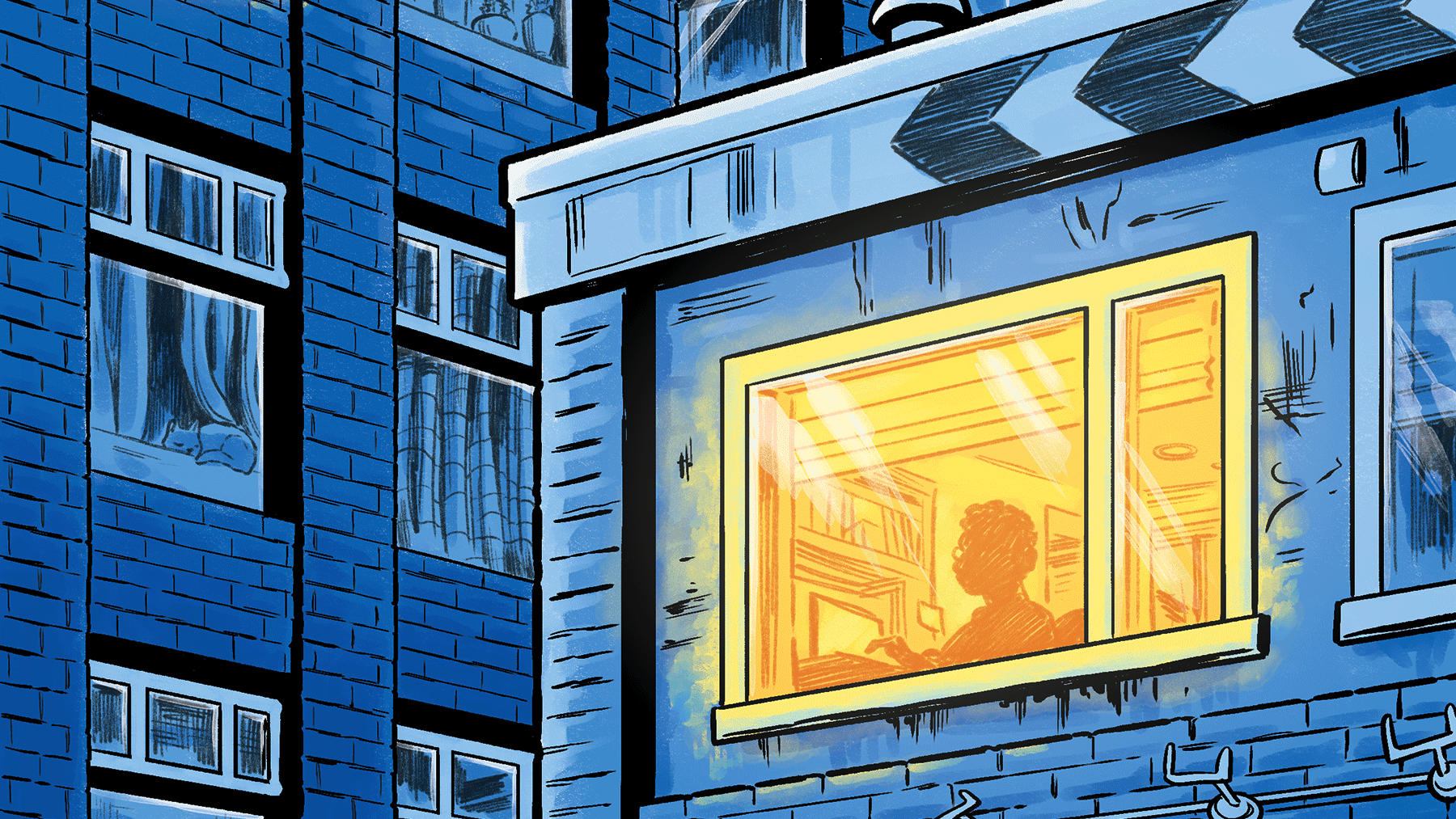

Superhero, Not so Super Journalist
As we all know, Clark Kent, the hero’s civilian alias, spends his days as a reporter, and his love interest, Lois Lane, is also a journalist. But in a universe populated with aliens and supervillains, how realistic can the journalism be?
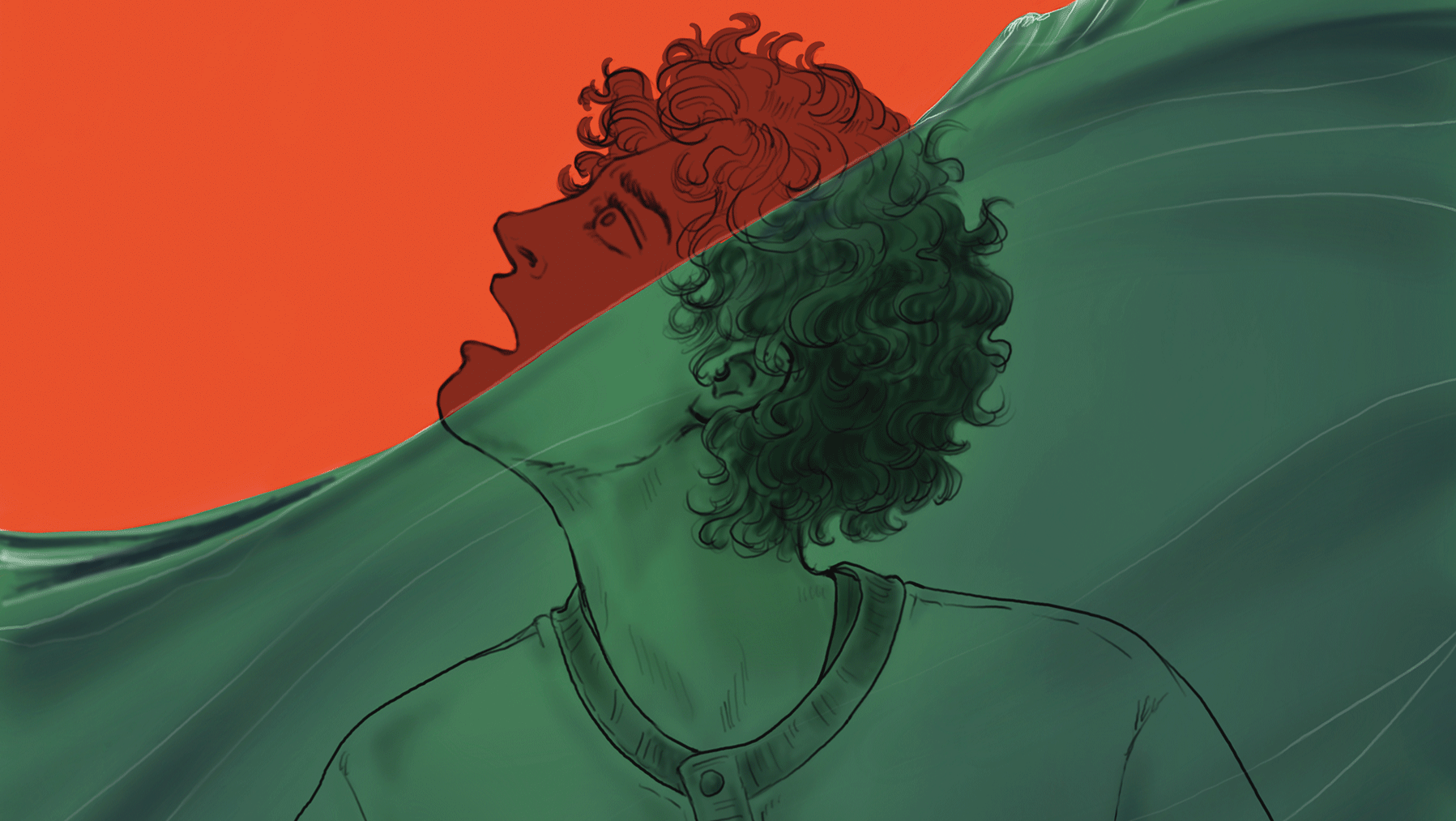
Mind Matters
After years of being exposed to trauma, these journalists are advocating for better mental health support.

Why the Best Worst Depiction of Podcast Journalism Matters
The issue is that Spider-Man 2 fundamentally misunderstands what journalists do. The game’s writers undermine the journalist’s basic craft—telling stories or producing news—by either being vague about the reporting process or depicting something unbelievable.

Tame the AI Beast
From AI-written articles to falsified video content, there is an urgent need to evaluate the ethics of using simulated human intelligence.
Dear Journalist Podcast Trailer
Dear Journalist is a monthly podcast created by the masthead at the Review of Journalism, interviewing established Canadian journalists about lessons they were only able to learn in the field.
Reviewed Trailer
This year the Review of Journalism turns forty. Join us for our 40th anniversary podcast, Review-ed
Hosts, Mariana, Sahaana and Lidia will review Canada’s “watchdog on the watchdogs.” They’ll revisit past stories and explore how Review alumni, journalism and storytelling has changed. After four decades on assignment, it’s time for the Review to be Review-ed.
Pull Quotes Season 4, Episode 5: Should Canadian crime reporters start thinking beyond what they can print, to what they should?
Professors Maggie Jones Patterson and Romayne Smith Fullerton, co-authors of Murder in our Midst: Comparing Crime Coverage Ethics in an Age of Globalized News, join us to discuss regional approaches to crime reporting, and how they’re changing in the age of mass communication.
We also discuss the recent sentencing decision in the trial of Toronto van-attacker Alek Minassian, and why it’s making waves in the Canadian journalism community.
“Just focusing on this man’s name, does not equip the citizenry to make decisions, and help influence the people they elect to create policy.” – Romayne Smith Fullerton.
Pull Quotes Season 4, Episode 4: Photojournalists create a visual record of the human impact of industrial pollution
This episode we’re using our audio platform to discuss the power of photography in highlighting humanity’s role in the degradation of the natural world.
Documentary photographer Ian Willms joins us to discuss a picture he took in 2019 in an indigenous community in northern Alberta called Fort Chipewyan. Ian took several trips to the area between 2010 and 2020 to document the environmental and human toll of oil sands pollution in the region. He provides insight into how he came to be in position to capture the photograph, and why it stands out among the thousands of images he’s captured during his career.
![Pull Quotes The [ ] review of journalism](https://s38447.pcdn.co/wp-content/uploads/2021/02/16x9-logo-scaled-1.jpg)
Pull Quotes, Season 4, Episode 3: Balancing Motherhood and Journalism
Tracee Herbaugh, daughter of first female AP journalist to be killed on assignment Sharon Herbaugh, talks balancing a writing career with motherhood.