
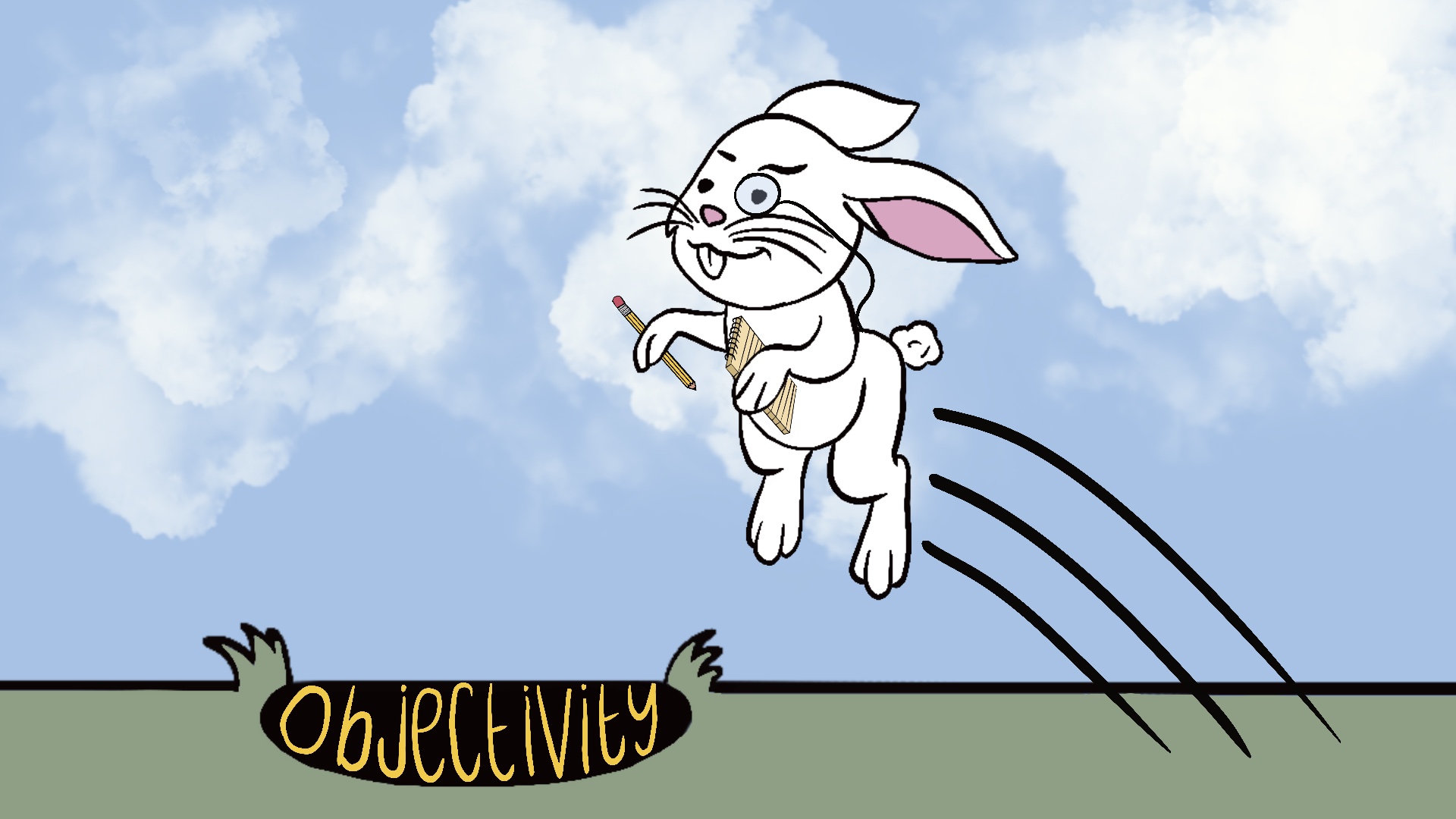
Down the Rabbit Hole of Objectivity
Can journalism be objective in a complex world—and should it? Objectivity, as it’s commonly understood in newsrooms, is often considered a cornerstone […]
Can journalism be objective in a complex world—and should it? Objectivity, as it’s commonly understood in newsrooms, is often considered a cornerstone […]
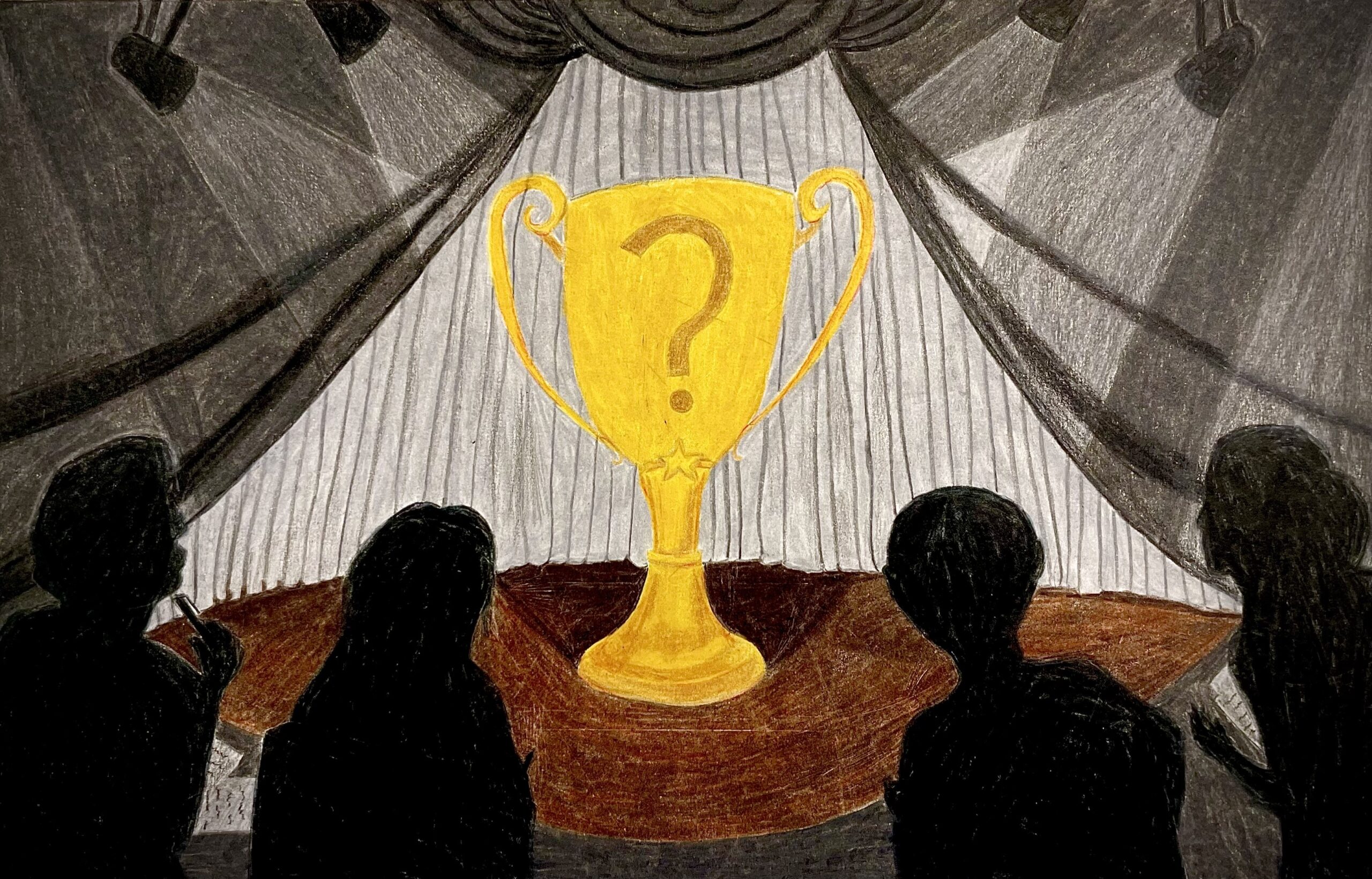
Have you ever nominated yourself for a journalism award and started second-guessing whether you made a typo? What exactly goes into picking a winner, anyway? Who decides? What does the competition look like? When will I receive my cash prize?
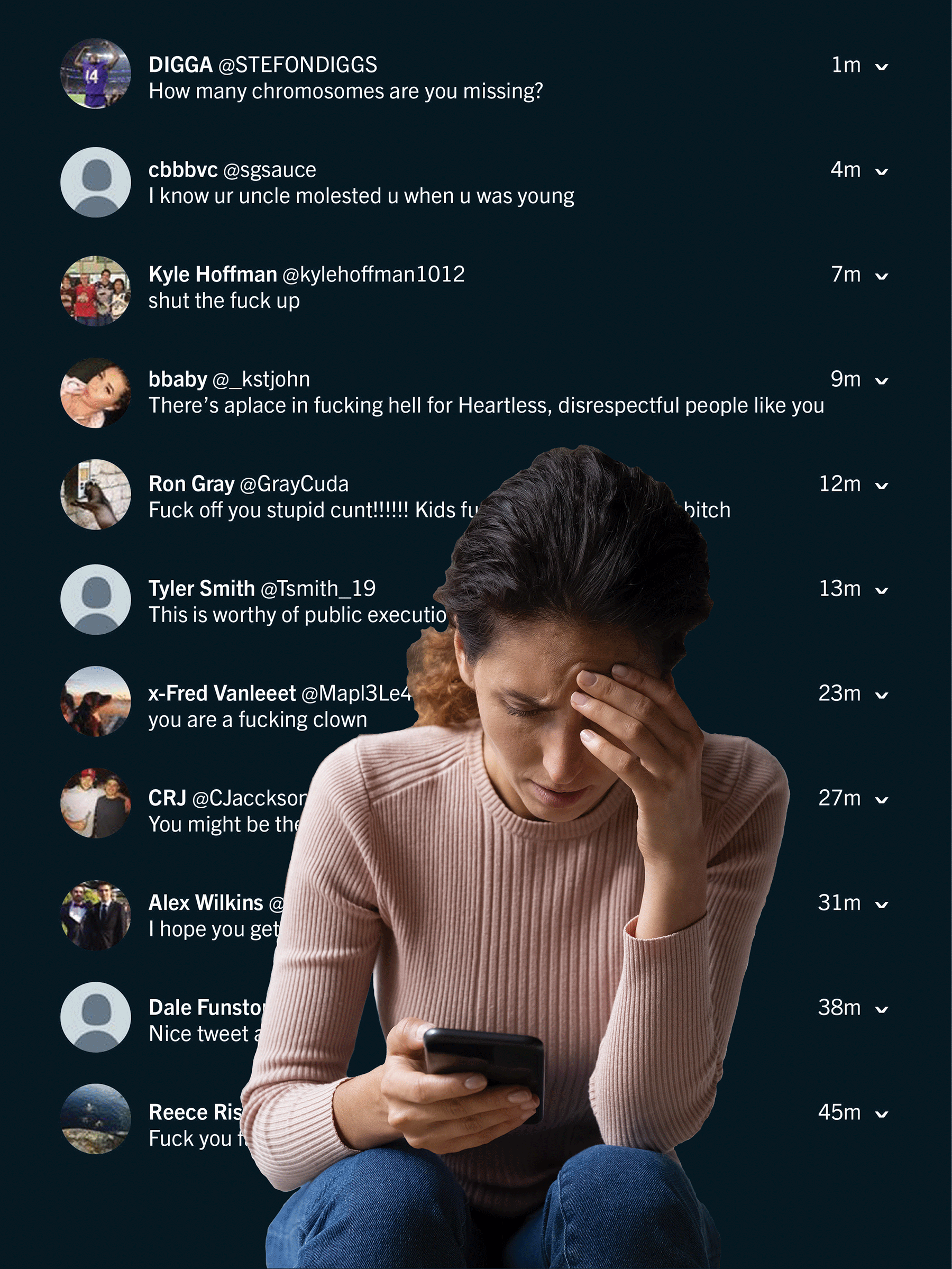
“Okay, ma’am,” a crackling voice interrupts the caller. “Ma’am, can I talk?” Minutes into her report to the Ottawa Police hotline, journalist Rachel Gilmore feels exasperated. She is reporting a violent email sent to The Hill Times’ Erica Ifill—a name-dropping salad of verbal abuse such as “woke,” “cunt,” and racial slurs—including death threats.

August 26, 2024, was one of the worst days of Pam Sword’s working life. The paper where she had been the web editor for over a decade—The Chronicle Herald, Halifax’s 150-year-old daily broadsheet—had been sold to Postmedia, Canada’s national news behemoth.

If Brandi Morin had to place a bet on where she might get arrested, her home Treaty Six territories in Edmonton, Alberta, wouldn’t even make her shortlist. The moment the Indigenous journalist later described as “one of the darkest chapters” of her career began while Morin was covering an Indigenous-led homeless encampment on a cold, harsh winter night.
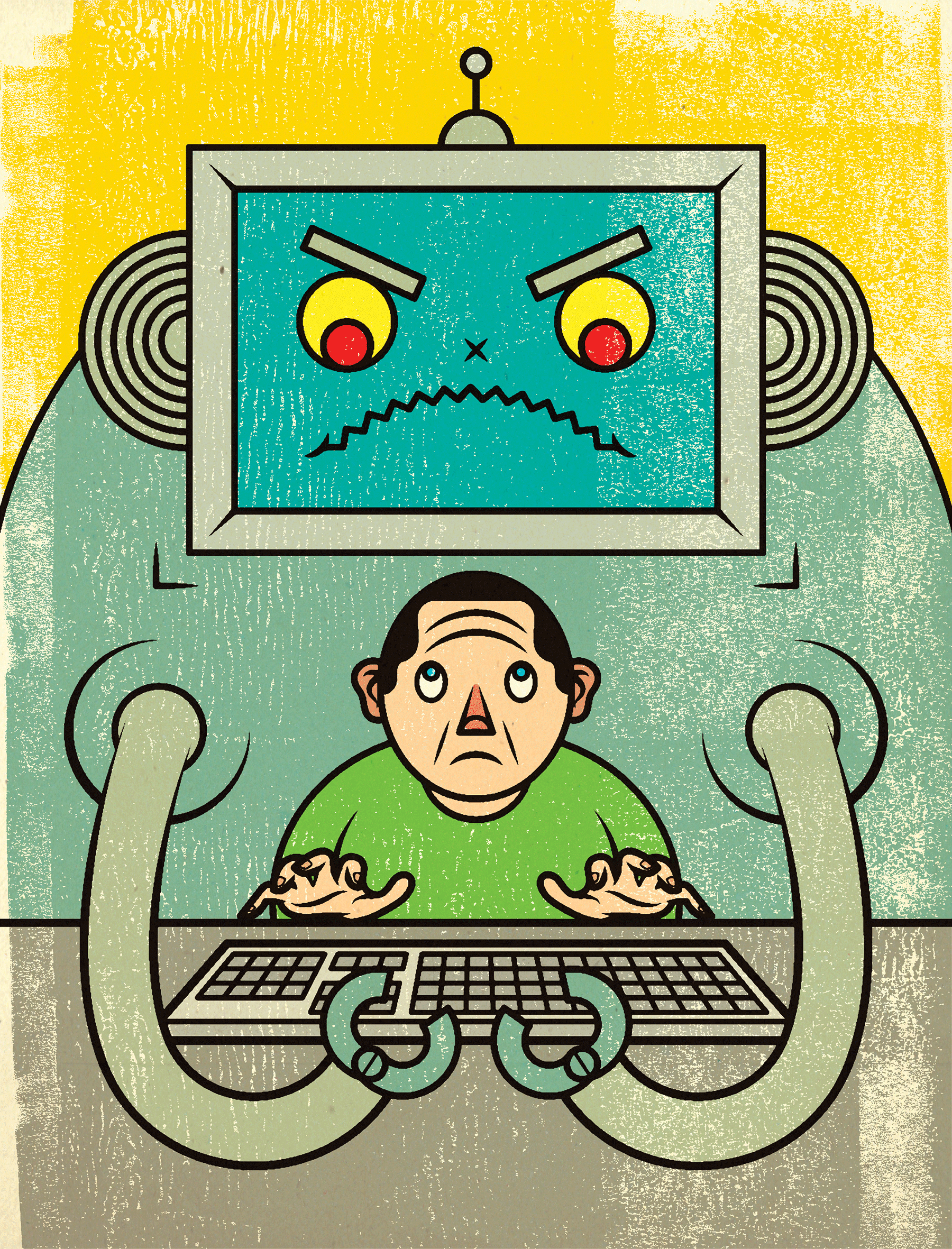
It’s early October 2024, and the Toronto Star’s conference room is abuzz with anticipation. Stephen Ghigliotty, a marketing strategist with expertise in artificial intelligence, is preparing to host a five-hour learning session on the impacts of AI on journalism. The space is warm and welcoming, but beneath the surface lurks an undeniable undercurrent of fear. Ghigliotty can feel it when he steps into the conference room.

Looking back, where did I get the audacity to do that?” asks Emma McIntosh, reflecting on her early days as a journalist in high school. “There was this quote that went along the lines of ‘Mr. V. declined to comment, stating a desire to keep his professional life and community work separate.’ I was crazy.”

The Review of Journalism strives to create a workplace and publication that reflects the diversity of both our readers and the stories we tell. Every year, our masthead publishes an anonymous breakdown of the race, gender, sexuality, and disability representation of our staff. This annual summary allows us to track progress over time and compare our newsroom’s diversity with other Canadian journalism organizations, as tracked by the Canadian Association of Journalists (CAJ).
Standing Our Ground This era is tumultuous for journalism. Another Trump presidency has cut Voice of America and Radio Free Europe. A […]

To survive, fashion magazines have embraced digital media and diversity Nicola Hamilton can still recall some of her first experiences with magazines. […]