

Op-ed: The Case Against Unpaid Internships
Unpaid internships are commonly accepted practice in journalism, but these opportunities are only available to students with the privilege to work without pay.
Unpaid internships are commonly accepted practice in journalism, but these opportunities are only available to students with the privilege to work without pay.

The CJN is in the midst of its second resurrection of the decade. With a shift in organizational structure style & focus it hopes for a stable and enduring future.
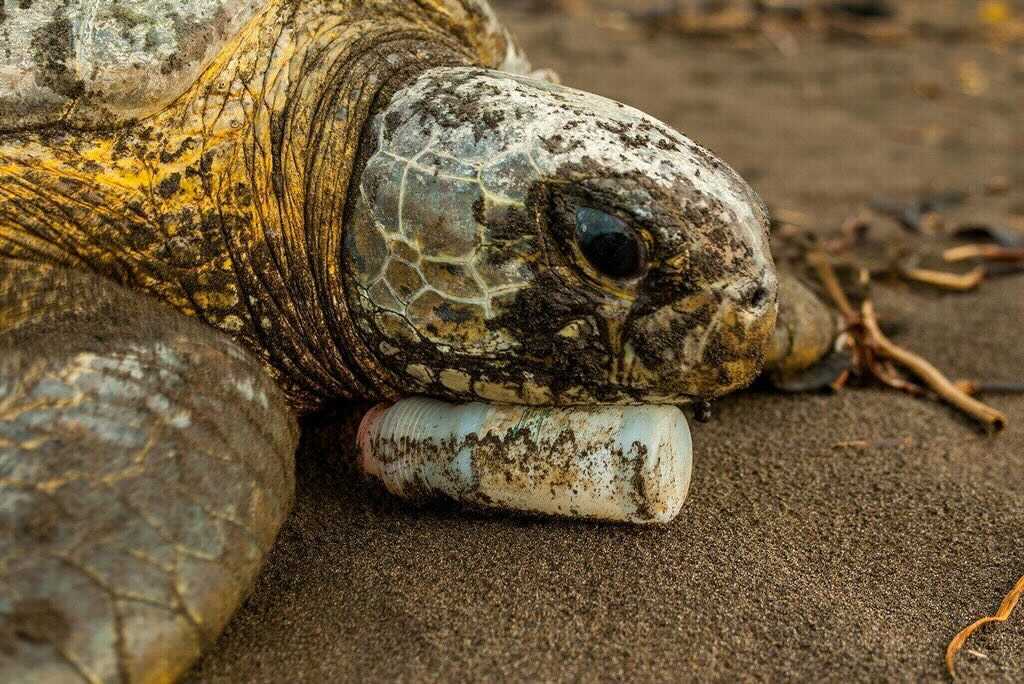
Cameras in hand, journalists and photographers are taking action to help the environment. Here’s how.
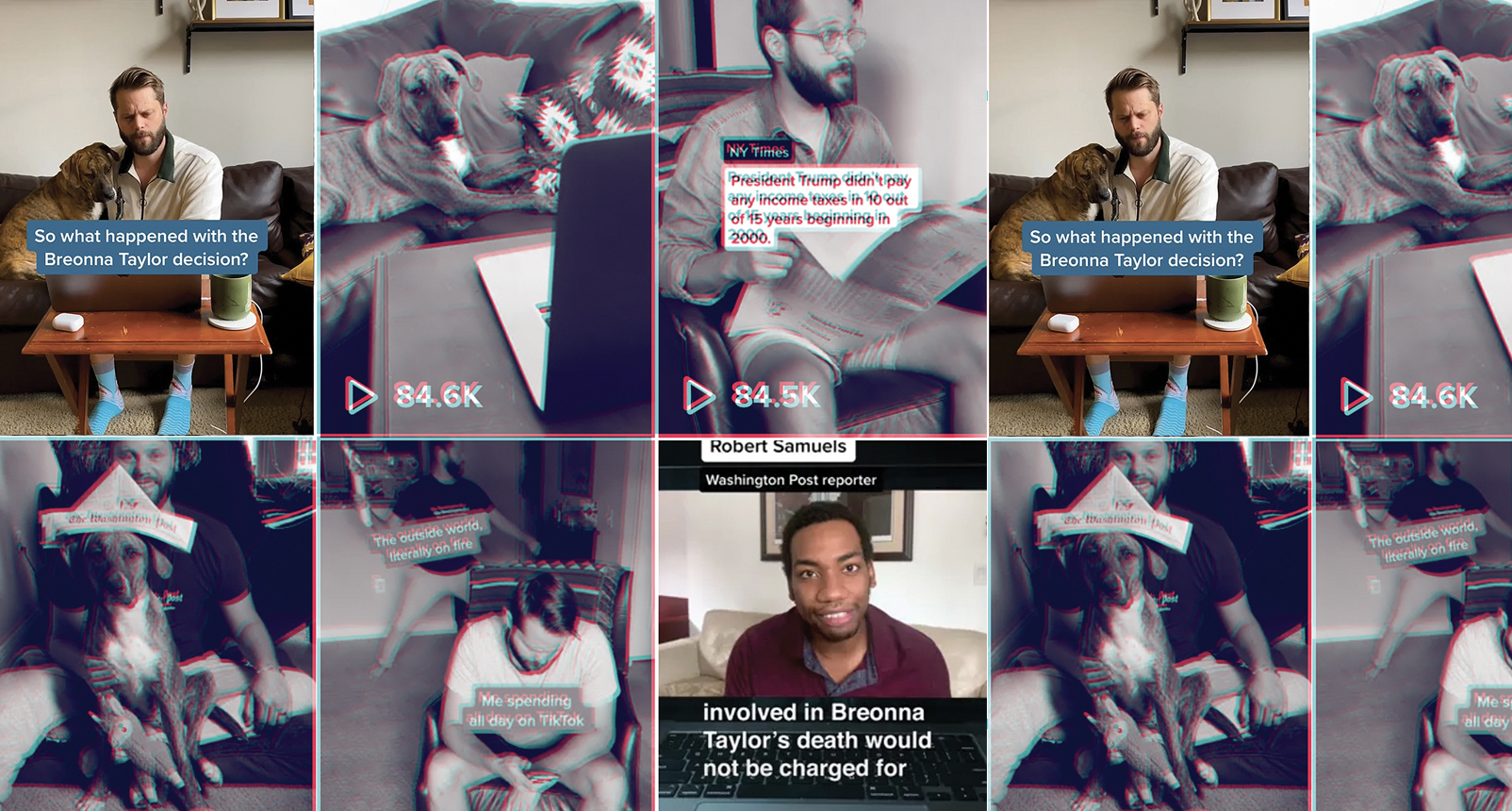
TikTok is used by many journalists, but the app has posed a challenge: how to balance online trends with news-related content that appeals to younger users.

The experience of living through a pandemic is drawing audiences away from hard news and towards good news stories and solutions journalism.

Professors Maggie Jones Patterson and Romayne Smith Fullerton, co-authors of Murder in our Midst: Comparing Crime Coverage Ethics in an Age of Globalized News, join us to discuss regional approaches to crime reporting, and how they’re changing in the age of mass communication.
We also discuss the recent sentencing decision in the trial of Toronto van-attacker Alek Minassian, and why it’s making waves in the Canadian journalism community.
“Just focusing on this man’s name, does not equip the citizenry to make decisions, and help influence the people they elect to create policy.” – Romayne Smith Fullerton.
![Indigenous Journalism with [ ] Review of Journalism photo](https://s38447.pcdn.co/wp-content/uploads/2021/04/Image-from-iOS.jpg)
The Review regularly tackles stories about Indigenous representation in the news – here is a sampling of the publication’s work since 2016 featuring Indigenous voices, stories, or writers.
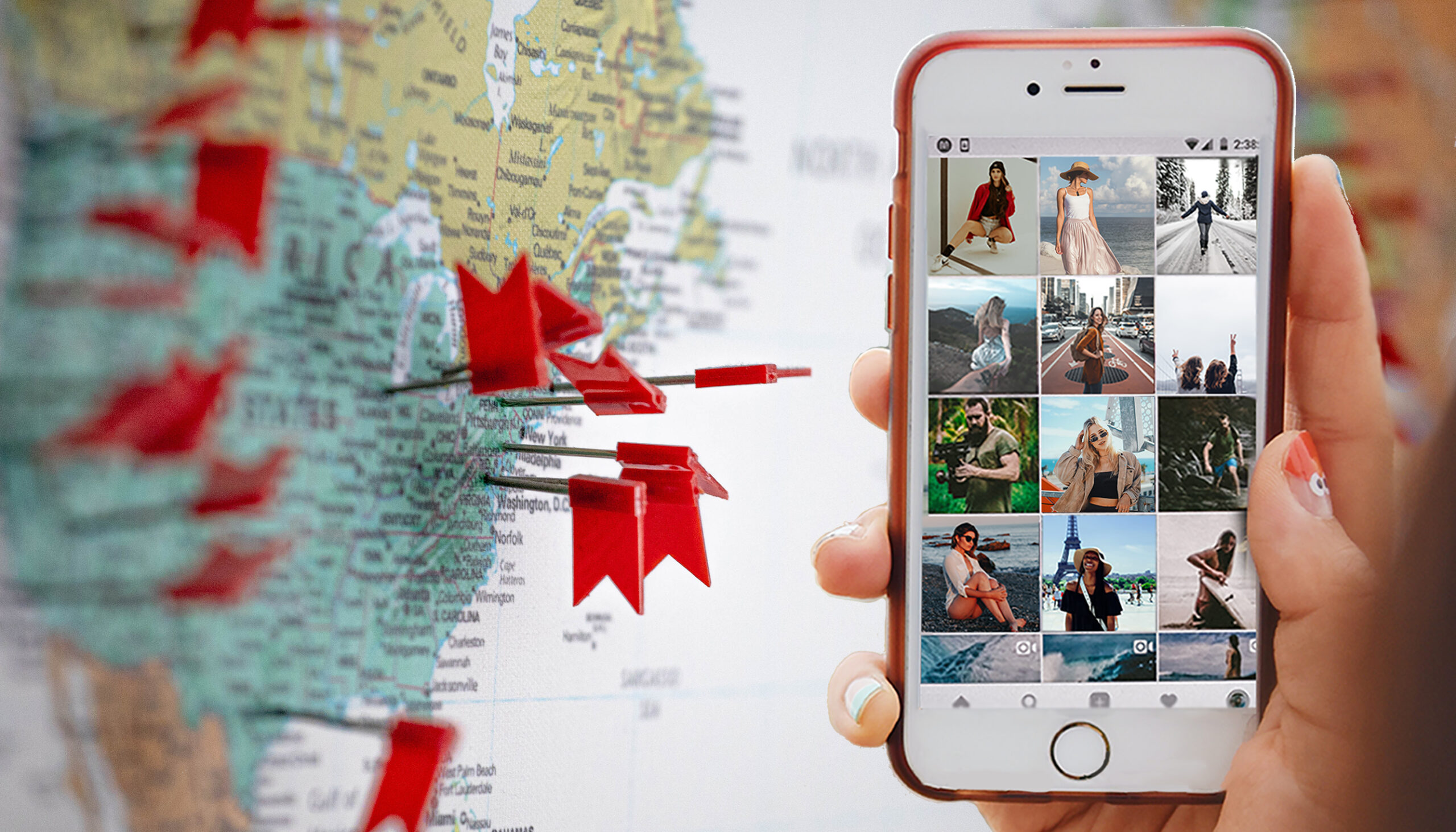
Influencers share beautiful images, and users turn to their accounts for travel inspiration. But as audiences grow, these social media personalities are becoming more than just something on the explore page as they begin to encroach into the travel journalism industry.

The Globe & Mail is launching a daily news podcast. To stand out from their competitors, they’ll have to do it the right way.
This episode we’re using our audio platform to discuss the power of photography in highlighting humanity’s role in the degradation of the natural world.
Documentary photographer Ian Willms joins us to discuss a picture he took in 2019 in an indigenous community in northern Alberta called Fort Chipewyan. Ian took several trips to the area between 2010 and 2020 to document the environmental and human toll of oil sands pollution in the region. He provides insight into how he came to be in position to capture the photograph, and why it stands out among the thousands of images he’s captured during his career.