
As new consumers face a challenging information ecosystem , media experts offer tips for navigating mis and disinformation.

When The New York Sun published a series of articles in 1835 claiming that bat-like creatures had been found on the Moon, the hoax, which cited fake scientific reports, circulated widely. But even at that time, some publications urged readers to treat such claims with caution.
Today, the sources of misinformation are more complex, including social media, online resources, and news organizations. As a result, in 2023, Statistics Canada found “over two in five Canadians (43%) thought it was becoming harder to distinguish between true and false news or information.”
The experts studying the landscape of misinformation explore its many dimensions and raise concerns about the multitudinal impact of such digital, and often viral content. Instead of star-gazing pranksters, they warn of foreign actors, algorithms, and AI-generated content. But they also suggest ways to navigate and respond to these realities. Here are their tips for sifting truth from lies, fact from falsehood and breaking news from blatant bullshit.
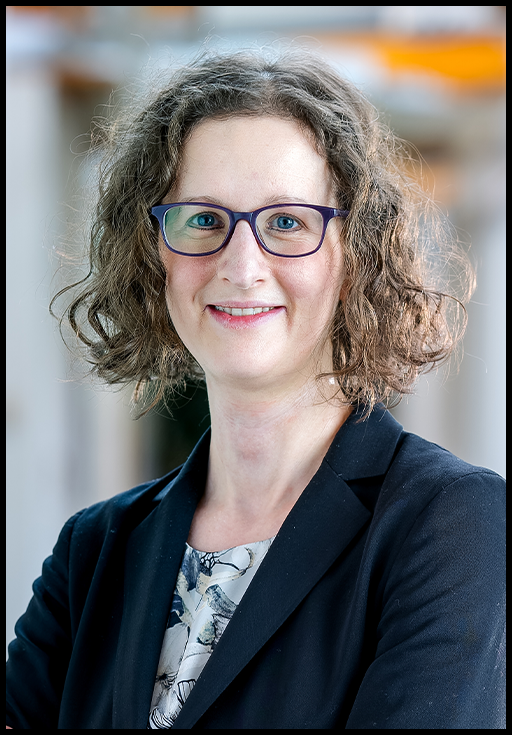
Heidi Tworek
Tworek is a Canada Research Chair, Professor of History and Public Policy at the University of British Columbia, and director of the Centre for the Study of Democratic Institutions.
Historically, Tworek says, disinformation is nothing new. However, she says it accelerates when political agendas meet new technologies, such as Germany and the radio in the first half of the 20th century, or Russia and the internet in recent decades.
“All of us have moments where suddenly you’re doom scrolling at 10.30 p.m. at night,” she says. “Does that feel good to you? Is that something that’s really achieving the goals that you’re hoping to achieve versus 15 minutes of checking the news at, say, lunchtime?”
Tworek says that users need to recognize that social media algorithms are designed to engage emotions, and she advises users to consider trying to stop doom-scrolling.
If something does catch your attention, verify it yourself before sharing. Tworek admits this is time consuming. But according to Statistics Canada, almost one in seven Canadians shared information online without checking its accuracy in 2022. Tworek and other experts say it is paramount to cross-reference with reputable sources.
Ultimately, Tworek says, “the baseline question which we don’t ask often enough is, who owns these products and what are the reasons that they might be directing information?”
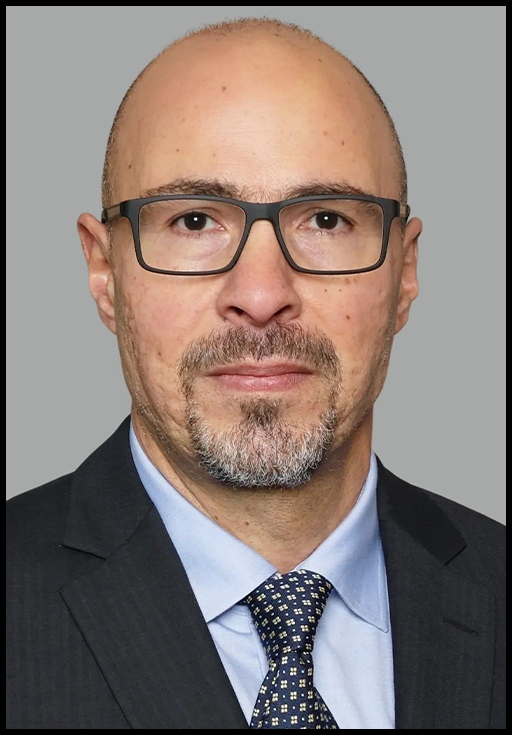
Ahmed Al-Rawi
Al-Rawi is an Associate Professor of News, Social Media, and Public Communication at Simon Fraser University and the Director of the Disinformation Project.
Al-Rawi argues that Canada has an undeniable disinformation problem. Typically found on social media and other online sources, topics include climate change, public health, housing, immigration, and politics.
“Many, if not a majority of discussions, revolve around the US context,” he adds.
The Canadian Centre for Policy Alternatives warns that “Canada has yet to sufficiently respond to the disinformation proliferating on American platforms, like X and Meta.” Meanwhile, Al-Rawi highlights the Canadian social media site Rumble as also being responsible for spreading misinformation.
Al-Rawi notes the rise of “slopaganda,” AI-generated content designed to muddy genuine political messaging. That’s a concern shared by Canada’s signal intelligence agency, the Communications Security Establishment. They say that “despite the potential creative benefits of generative AI, its ability to pollute the information ecosystem with disinformation threatens democratic processes worldwide.”
Ultimately, Al-Rawi warns that failing to tell the full story is still a form of misinformation. He urges journalists to include more context, and if applicable, link to additional sources to bring readers up to speed.
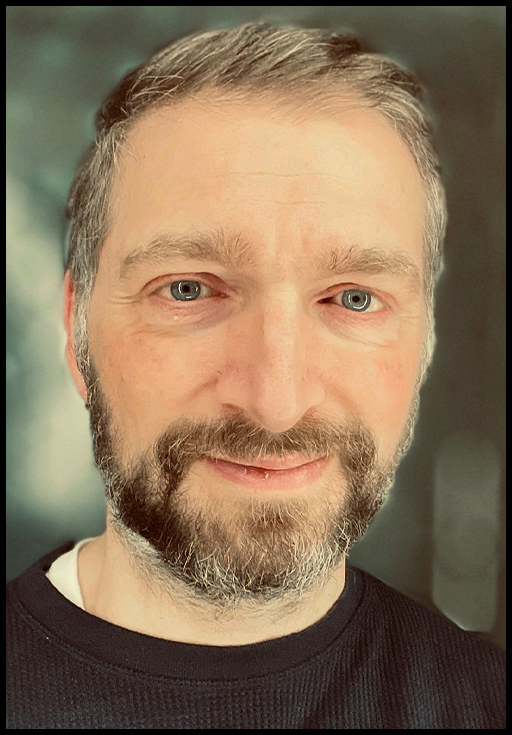
Gabriele Contessa
Contessa is an Associate Professor of Philosophy at Carleton University and the author of ‘Science Denial: Post-Truth or Post-Trust?’
Contessa’s recent work focuses on public interest in science. He says that some of the commonly assumed consequences of mistrust in science can include lower vaccination rates or inaction against climate change. The problem, Contessa says, does not stem from individuals distrusting all experts, but rather, only trusting specific experts who align with their views.
In reality, the Canadian Medical Association warns that 62 per cent of Canadians encounter health misinformation at least occasionally, and 43 per cent are highly susceptible to it. Meanwhile, the NATO Association of Canada claims, “Canadians are confronted with accelerating climate impacts and a parallel surge in misinformation.” They add that this has some real-world implications, like obscuring root causes, distorting policy debates, and weakening democratic cohesion.
Contessa says that since journalists translate science, they must ensure their work reflects evidence-based scientific consensus. When it comes to misinformation, be it climate change denial or fear-mongering about vaccines, Contessa is reminded of how he heard philosopher Thi Nguyen’s description. “It’s like junk food; tasty but poor in nutritional value,” he says. And while Contessa thinks that broader structural change is needed, he also urges journalists to promote a healthy diet of information.
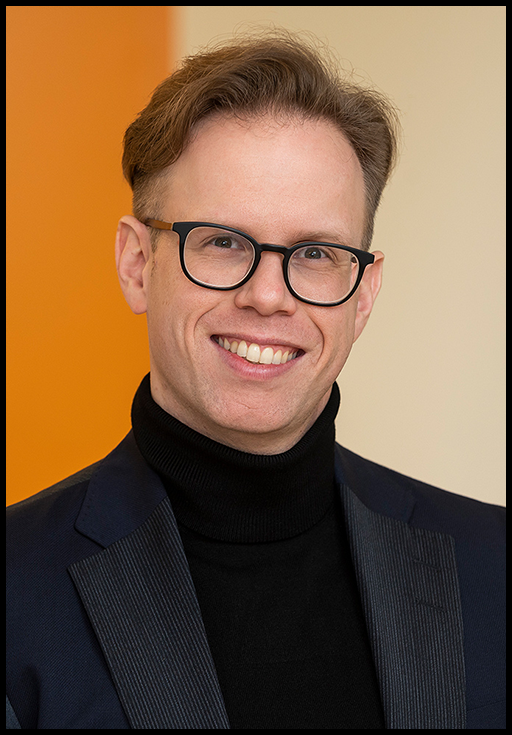
Marc Alexandre Ladouceur
Ladouceur is a former teacher and Media Education Specialist from Canadian non-profit MediaSmarts.
Ladouceur says there is an “unequivocal need for education in media literacy.” Unfortunately, he and his team at MediaSmarts, a Canadian non-profit that generates media literacy resources, have faced obstacles. As a non-profit, they rely on external funding sources to do their work. If the funding isn’t there, they can’t deliver.
They’ve also had difficulty reaching people outside of school, Ladouceur says, as MediaSmarts often folds its resources into curricula. This is especially worrying considering people of all ages are susceptible, yet according to a 2023 Statistics Canada survey, Canadian teenagers are among the least worried about misinformation.
Ladouceur says we have to constantly re-evaluate where we get our information from. It used to be that websites ending in “.org” or social media accounts on Meta or X with a blue checkmark were reliable. Now, however, this is outdated, as both can be purchased.
Meanwhile, sites like Wikipedia, which were once highly discouraged, Ladouceur recommends for providing context, sources, and assessing consensus.
Ultimately, Ladouceur stresses having “intellectual humility.” Not everyone is an expert; therefore, before sharing something, ask yourself, What makes me believe this? What would it take to believe otherwise? Why do I want to share this?
Small behavioural changes like these, as well as an awareness of the other red-flags listed above, can, in fact, reveal truth in an information landscape mutated by misinformation.
