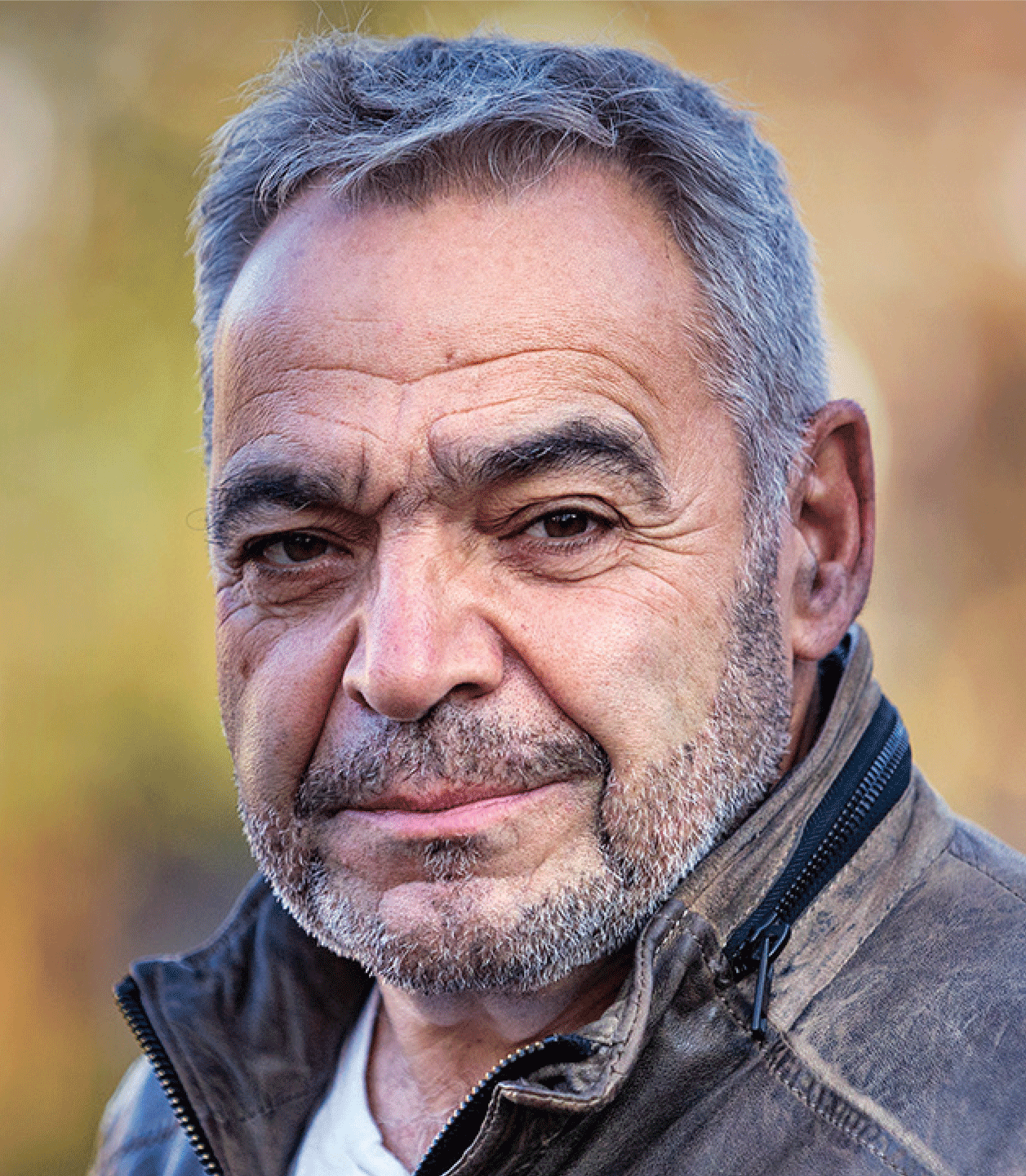

Julian Sher looks at the camera in a portrait photo

When We Become the Story

As journalists we want to report the story, not become the story. Sometimes, though, it’s unavoidable. Back in December 1992, an investigation I did into drug trafficking and corruption with a team from CBC’s The Fifth Estate led to the shocking suicide of a senior RCMP inspector the day before we went to air. Then there are some famous cases when our own media companies become the story—like when Fifth Estate broadcast “The Unmaking of Jian Ghomeshi” in 2014, exposing how CBC mishandled sexual assault allegations against its former star radio host.

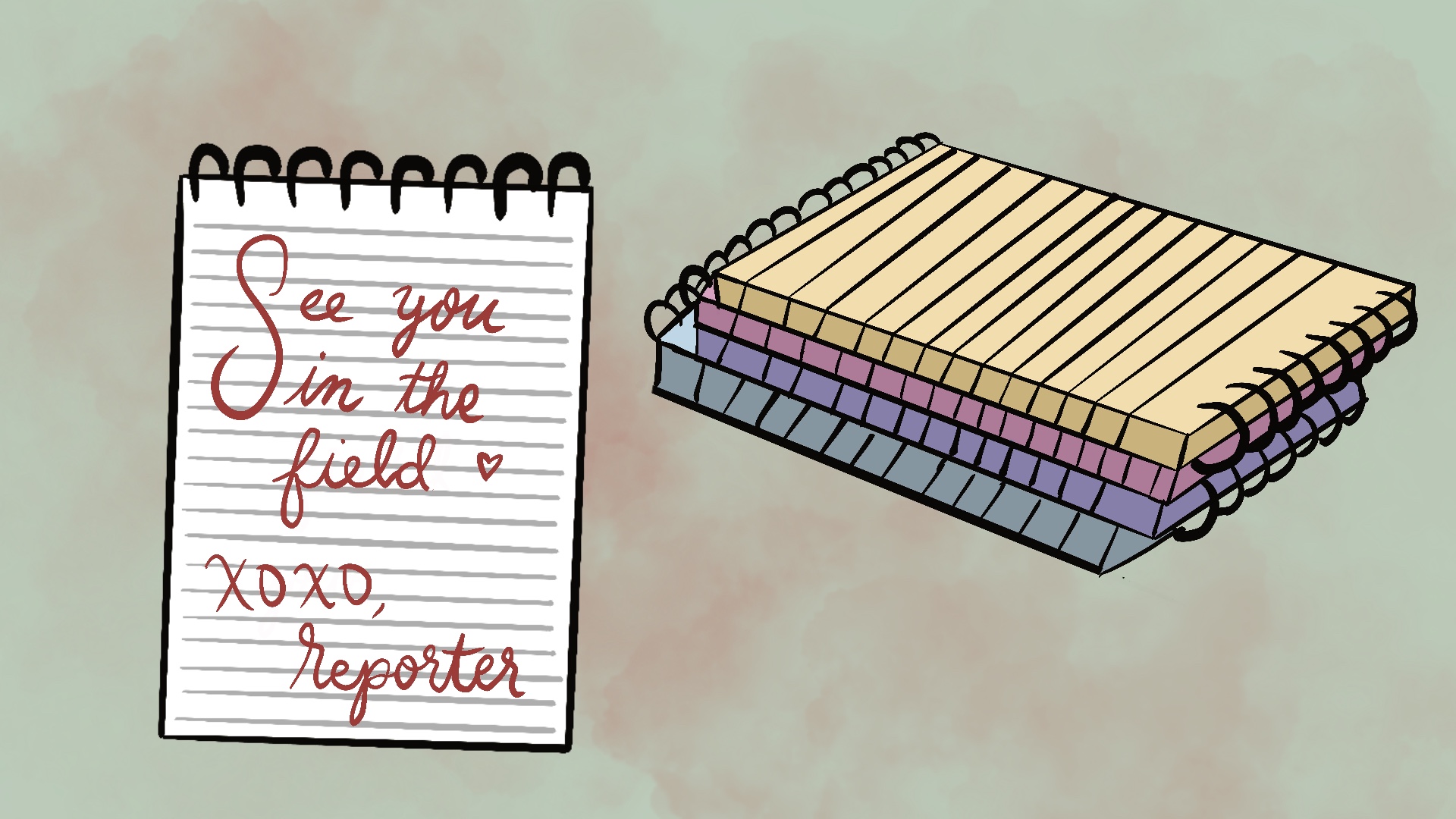
The background of the image is a light pink, in the foreground, a white ringed notepad is pictured. The notepad reads “See you in the field, xoxo Reporter,” written in cursive. Behind the notepad, lies four other notepads stacked on top of each other. From the bottom up, the colors are blue, purple, pink, and yellow.

Love & Journalism

I’ve just gone through a break-up. It’s 2 a.m. and my computer screen casts light on my face in the darkness of my room. A past lover is posting selfies on Instagram. While he’s living his best life, I’m trying to finish a 2,000-word feature for the Review. I’m grappling with heartache and asking myself if any of it was real. Did he care at all? Staring at the blank screen, I wonder why heartbreak always hits hardest when you have a deadline.

You Never Forget Your First

When that first story finally comes together, it’s not the masterpiece you imagined. You wince at the phrasing, obsess over the structure, and brace yourself for feedback. Then you see your name in print and realize that your voice can reach an audience. It ignites a hunger to tell more stories, refine your craft, and chase the next byline, because now you understand the power of being heard.